
Boston Fern Care Guide — Canada
How to grow a Boston fern in Canadian homes — the humidity it needs to stop shedding leaflets everywhere, even watering, light, and how to carry one through a dry Canadian winter. Non-toxic to pets.
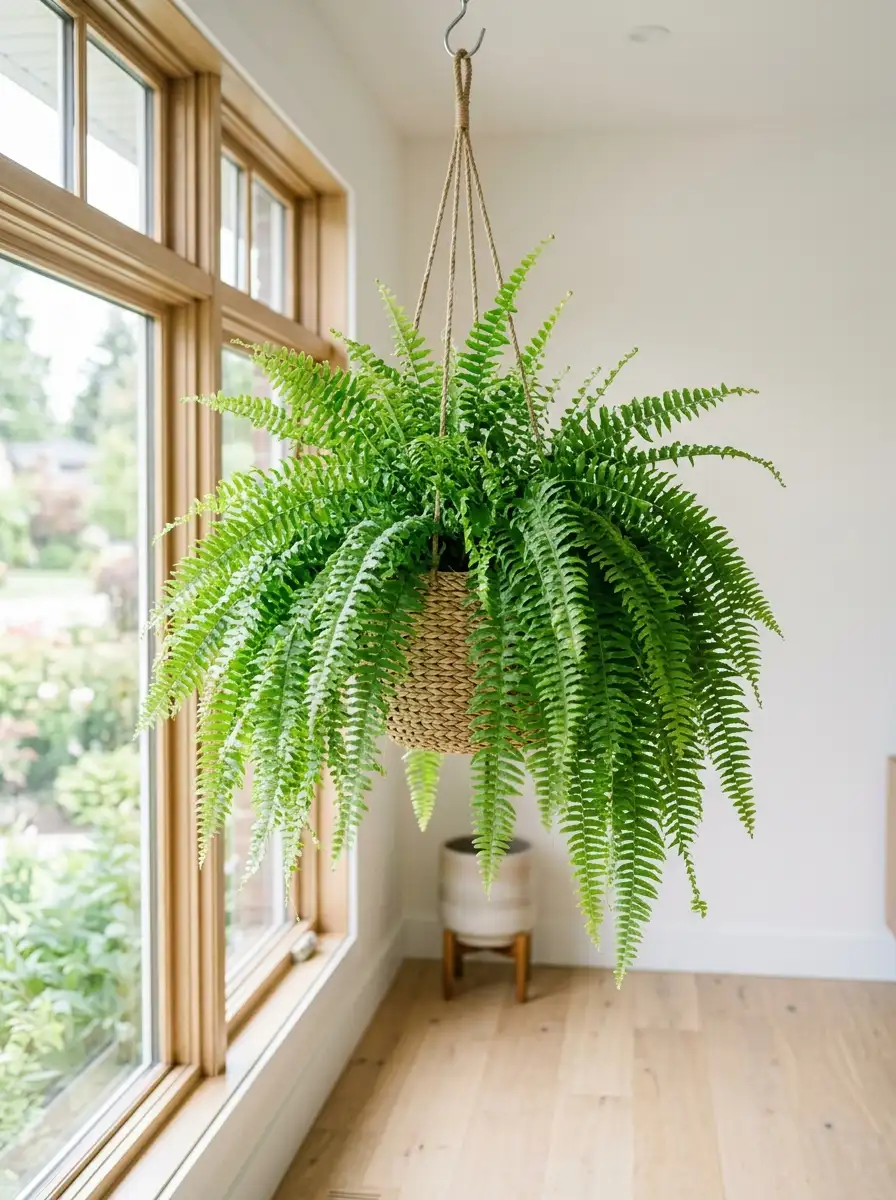
The Boston fern (Nephrolepis exaltata) is a lush, arching classic — a favourite hanging and shelf plant, and one of the few popular houseplants that is genuinely safe for cats and dogs. It is also notorious for one thing in Canada: shedding dry leaflets all over the floor. That shedding is not a mystery or a death sentence — it is the fern telling you the air is too dry. Boston ferns are humidity plants, and Canadian forced-air heating is their natural enemy.
This guide covers the complete Boston fern care routine for Canada — the humidity it actually needs, how to water a moisture-loving fern correctly, light, variety differences, and how to carry one through a dry Canadian winter without losing it.
Boston fern at a glance: Water — keep soil evenly moist, never dry out. Light — bright indirect, no direct sun. Humidity — 50%+, humidifier essential in Canadian winter. Shedding leaflets? — dry furnace air, the #1 cause. Pet safe — non-toxic to cats and dogs ✅
Is your Boston Fern getting enough light this winter?
A Canadian winter cuts daylight roughly in half. See what your city actually gets this month, and whether a grow light is needed.
🌿 Boston Fern Quick Care Card
Why Boston Ferns Shed Leaflets in Canada — and the Fix
A Boston fern dropping a steady rain of tiny dry leaflets is the most common fern complaint in Canada. It is a humidity and moisture problem, and almost always fixable. Address the three causes below and the fern stops shedding and fills back in.
Cause 1 — Dry winter air from forced-air heating
This is the big one. Canadian homes drop to 25–30% relative humidity when forced-air heating runs; Boston ferns want 50% or higher. Dry air desiccates the thin leaflets until they crisp and fall. Fix: run a humidifier near the fern from November through March, set the pot on a wide pebble tray, and group it with other plants. A bright bathroom is an ideal winter home. Misting gives only brief relief and is not a real substitute.
Cause 2 — Soil drying out
Boston ferns are not drought-tolerant. If the soil dries out fully even once, fronds go crispy and the fern sheds badly. Fix: keep the soil consistently, evenly moist — the surface should feel lightly damp at all times. Check every few days and water before it dries out, more often in summer. Never let a Boston fern go bone dry.
Cause 3 — Cold drafts and heating vents
A blast of hot dry air from a heating vent, or cold air off a drafty Canadian window or door, both shock the fern and trigger shedding. Fix: keep the fern away from vents and at least 30 cm back from cold winter glass. Note that a small amount of leaflet drop is normal for any Boston fern — it is daily shedding in handfuls that signals a problem.
Boston Fern Varieties at Canadian Garden Centres
Several Nephrolepis cultivars are sold as “Boston fern,” ranging from the classic arching form to compact, ruffled, and more upright types. All take the same core care — even moisture, humidity, and bright indirect light.
| Variety | Frond Form | Notes |
|---|---|---|
| Classic Boston Fern (N. exaltata 'Bostoniensis') | Long, arching, gracefully drooping fronds | The standard; superb hanging plant |
| Dallas / Compacta | Shorter, denser, more compact fronds | Tidier for shelves; a little more humidity-tolerant |
| Fluffy Ruffles | Stiff, upright, finely ruffled fronds | Denser, textured look; same care |
| Kimberly Queen (N. obliterata) | Upright, sword-like, narrow fronds | More upright and notably more forgiving of dry air |
| Lemon Button Fern (N. cordifolia 'Duffii') | Small, round button-shaped leaflets | Compact, slight citrus scent; good for small spaces |
| Tiger Fern | Arching fronds streaked with gold variegation | Variegated novelty; wants reliably bright indirect light |
How to Water a Boston Fern in Canada
Keep the soil consistently, evenly moist — this is the opposite of a succulent. The soil surface should feel lightly damp at all times; never let it dry out fully, but never leave the fern sitting in waterlogged soil either. Water thoroughly until it drains, empty the saucer, and water again before the surface dries.
Boston fern watering schedule — Canada: Summer (May–Sept): every 3–5 days. Fall (Oct–Nov): every 5–7 days. Winter (Dec–Feb): every 7–10 days. Spring (Mar–Apr): every 4–6 days. Always check by touch — water whenever the soil surface starts to feel less than lightly damp. Use room-temperature water.
Boston ferns need soil that stays evenly moist — never dry, never soggy. A 3-in-1 soil meter shows you exactly what the root zone is doing — push the probe in for an instant moisture, light, and pH reading. No batteries needed.
Affiliate link — GrowersGuide.ca may earn a commission on qualifying purchases, at no extra cost to you. Learn more.
The other thing Canadian houseplants run short on all winter is light. From November to March most homes are too dim to keep plants growing — leaves stretch toward the window, variegation fades, and new growth stalls. A small full-spectrum LED grow light on a timer bridges the dark months, even for tough low-light plants that only survive (rather than grow) in a dim room.
Affiliate link — GrowersGuide.ca may earn a commission on qualifying purchases, at no extra cost to you. Learn more.
Why no fixed schedule works: How fast soil dries depends on temperature, light, pot material, room humidity, and plant size. A Boston fern in a warm, bright summer room dries far faster than one in a cool winter corner. Checking that the soil stays lightly damp automatically accounts for all of these. See what affects soil drying rate →
Light Requirements for Boston Ferns in Canada
Boston ferns want bright indirect light — enough to support full, lush growth, but no direct sun, which scorches the thin fronds. An east window is ideal; a spot set back from a south or west window works well behind a sheer curtain.
Bright Indirect — Best
An east window, or 1–2 m back from a south or west window with a sheer curtain. Full, lush fronds. Best year-round in Canada.
Medium — Acceptable
A north window or further from the light. Growth slows and the fern thins a little; fine, but move it brighter in winter.
Direct Sun — Avoid
An unscreened south or west window scorches the fronds and dries the soil too fast. Always filter direct sun with a sheer curtain.
Canadian Winter Care
Run a humidifier November through March
This is the single most important thing for a Boston fern in a Canadian winter. Forced-air heating dries indoor air to 25–30% humidity — far below the 50%+ a fern needs. A small humidifier running daily within a metre of the plant prevents the leaflet shedding that defeats most Canadian fern owners. A wide pebble tray and grouping plants help; a bright bathroom is an ideal winter spot.
Keep soil moist but water a little less often
The fern still needs evenly moist soil in winter — never let it dry out — but growth slows and the soil holds water longer in low light, so the interval stretches to every 7–10 days. Check by touch rather than by calendar. Stop fertilising from October through February and resume a diluted feed in spring when new fronds appear.
Expect some thinning — and a spring rebound
Even a well-cared-for Boston fern usually thins out a little over a Canadian winter. Keep the plant away from heating vents and cold drafty glass, give it your brightest window, and don't panic at modest shedding. As light returns in spring, a healthy fern pushes out fresh fronds and fills back in. If it has thinned badly, an early-spring trim of the worst old fronds encourages tidy new growth.
Forced-air heat drops a Canadian home to 25–30% humidity all winter — far below the 50–60% these plants need, and the top cause of the brown, crispy edges most people fight from November on. A small cool-mist humidifier running near the plant fixes it at the source (a pebble tray only adds a few percent). This Levoit 2.5L easily covers a plant corner.
Affiliate link — GrowersGuide.ca may earn a commission on qualifying purchases, at no extra cost to you. Learn more.
Boston Fern Troubleshooting
Shedding leaflets everywhere
Dry air is the main cause — add a humidifier and pebble tray and aim for 50%+ humidity. Make sure the soil is staying evenly moist and the fern is clear of heating vents and cold drafts. A little leaflet drop is normal; daily handfuls signal a humidity or watering problem.
Brown, crispy frond tips and edges
Low humidity or soil that dried out too far. Raise humidity and keep the soil consistently moist. Trim badly crisped fronds off at the base to keep the plant looking tidy — new fronds replace them.
Yellowing, limp fronds
Usually overwatering — soil that is waterlogged rather than evenly moist rots the roots. Check drainage, empty the saucer, and let the surface firm up slightly between waterings. Yellowing can also follow a cold draft in winter.
Sparse, thin, pale growth
Too little light, common in Canadian winters. Move to a brighter window. If the fern has thinned over winter, trim the oldest ragged fronds in early spring and resume feeding — brighter light and fresh growth fill it back in within a couple of months.
Frequently Asked Questions
Does misting actually help a Boston fern?
Only briefly. Misting wets the fronds for a few minutes but does not meaningfully raise the ambient humidity the fern lives in, and in low-light Canadian winter conditions persistently wet fronds can encourage fungal problems. For real, lasting humidity, use a humidifier and a wide pebble tray. If you enjoy misting, treat it as a small extra rather than the main strategy.
Can I put my Boston fern outside in summer?
Yes, and many Canadians do — a shaded, sheltered porch or balcony suits a Boston fern beautifully in summer, with naturally higher outdoor humidity. Keep it out of direct sun and wind, and water often, as outdoor pots dry fast. Bring it back indoors well before the first fall frost — Boston ferns are not frost-hardy and won't tolerate temperatures near freezing. Expect some adjustment shedding when it moves back into dry indoor air.
How do I propagate a Boston fern?
The easiest method is division. In spring, slide the fern out of its pot and cut or pull the root ball into two or three sections, each with healthy fronds and roots, then pot each up separately and keep them moist and humid while they settle. Boston ferns also send out thin, fuzzy runners; a runner pinned onto moist soil will root and form a new plantlet you can then separate. Spring, at the start of active growth, is the best time for both.
Which fern is easiest for a dry Canadian home?
The Kimberly Queen fern (Nephrolepis obliterata), often sold alongside Boston ferns, is noticeably more tolerant of dry air and has a tidier upright habit — the best choice if you can't keep humidity high. The Lemon Button fern is also fairly forgiving and stays small. The classic Boston fern is the most humidity-demanding of the group, so if you choose it, plan on a humidifier through the winter.
Why is my Boston fern dropping leaves and shedding everywhere?
A Boston fern shedding tiny dry leaflets all over the floor is almost always telling you the air is too dry. Boston ferns want 50% humidity or higher; Canadian homes with forced-air heating drop to 25–30% in winter, and the fern responds by crisping and dropping its leaflets. It is the single most common Boston fern complaint in Canada. The fix is humidity: run a humidifier near the plant, set it on a wide pebble tray, and group it with other plants. Underwatering and cold drafts make the shedding worse — a Boston fern needs soil that stays evenly moist, never bone dry. Some minor leaflet drop is normal, but a fern raining leaflets daily needs more humidity and more consistent water.
How do I increase humidity for a Boston fern in a Canadian winter?
The most effective option is a humidifier — a small ultrasonic unit running near the fern from November through March keeps humidity in the 50–60% range a Boston fern needs. A wide pebble tray (a shallow tray of pebbles with water sitting just below the pot base) gives useful local humidity and is the next best thing. Grouping the fern with other plants raises the humidity in that pocket of air. A bright bathroom is an excellent winter home for a Boston fern thanks to shower steam. Misting helps only briefly and is not a substitute for steady ambient humidity. Keeping the soil evenly moist also raises humidity around the fronds slightly as it evaporates.
How often should I water a Boston fern in Canada?
Keep a Boston fern's soil consistently, evenly moist — never soggy, but never allowed to dry out completely. In practice that means watering roughly every 3–5 days in summer and every 7–10 days in winter, checking by touch: the top of the soil should feel lightly damp at all times. Boston ferns are not drought-tolerant the way succulents are — if the soil dries out fully, the fronds go crispy and brown and the fern sheds badly. At the same time, waterlogged soil rots the roots. Water thoroughly until it drains, empty the saucer, and water again before the soil surface dries out. Use room-temperature water.
How much light does a Boston fern need in Canada?
Boston ferns want bright indirect light — bright enough to support lush growth, but with no direct sun, which scorches the delicate fronds. An east window, or a spot a metre or two back from a south or west window, is ideal. They tolerate medium light with slower growth. In a dim Canadian winter, move the fern to your brightest window to keep it full; weak winter light combined with dry air is what makes ferns thin out and look ragged by spring. Avoid deep shade and avoid any direct sunbeam falling on the fronds.
Are Boston ferns safe for cats and dogs?
Yes — the Boston fern (Nephrolepis exaltata) is non-toxic to both cats and dogs according to the ASPCA. True ferns are one of the safer plant groups for pet households, and the Boston fern is a genuinely pet-safe choice, unlike pothos, philodendron, dracaena, and ZZ plant, which are all toxic. One caution: the unrelated 'asparagus fern' is not a true fern and is toxic — but the true Boston fern is safe. It is an excellent hanging or shelf plant for Canadian homes with curious cats and dogs.
Can I keep a Boston fern alive indoors over a Canadian winter?
Yes, but winter is when most Canadian Boston ferns struggle, so it takes some attention. The challenge is dry forced-air heating, which causes the fern to shed leaflets and brown at the edges. To carry one through: run a humidifier or use a wide pebble tray, keep the soil evenly moist (but water a little less often than in summer as growth slows), move it to your brightest window, and keep it away from heating vents and cold drafty windows. A bright bathroom is an ideal winter spot. Expect some thinning over winter — the fern usually rebounds with fresh fronds in spring. Stop fertilising from October through February.
🐾 Have pets? See our Pet-Safe Houseplants guide — which common houseplants are toxic to cats and dogs, which are safe, and what to do if a pet eats one.
📖 More Houseplant Guides
Care guides for popular Canadian houseplants.
Also Growing Vegetables?
Free planting calendars for 30+ vegetables across every major Canadian city.