
Apple Trees in Pots in Canada
A dwarf or columnar apple in a large pot fits a balcony or patio. The trick in Canada is not the summer, it is keeping the roots alive through the winter.
Apple trees in pots work in Canada when three things line up: a dwarf rootstock or columnar tree that stays small, a pot big enough to hold moisture through a hot July, and a winter plan for the roots. Get those right and a balcony can hold a tree that crops for years.
This guide covers which trees suit containers, pot size and mix, pollination on a small space, watering, pruning and repotting, using the RHS and the University of Minnesota Extension as sources.
Apple trees in pots, in short: a dwarf rootstock (M27, M9 or M26) or columnar tree in a pot at least 45 cm across with drainage holes and a soil-based mix. Water daily in summer, pair it with a second variety for pollination, and in winter move it to an unheated garage or sink it in the ground, because a pot behaves about two zones colder than the garden.
Which Apple Trees Grow in Pots
The tree in the pot has to be small by nature, and for an apple that is decided by the rootstock, not the variety. The RHS recommends very dwarfing rootstocks such as M9 or M26 for containers. A semi-dwarf or standard tree outgrows any pot a balcony can hold.
| Type | Height in a pot | Notes |
|---|---|---|
| Dwarf (M27, M9, M26) | About 1.5 to 2.5 m | The standard choice. Needs a stake for life; roots are small and brittle. |
| Columnar (single upright stem) | About 2 to 3 m, under 60 cm wide | Fruits on short spurs along the trunk. Fits a narrow balcony. Pollination still needed. |
| Patio or mini tree sold in a pot | Varies by rootstock | Check the label for the rootstock name; "patio" is a marketing word, not a size. |
| Semi-dwarf or standard | Too large | Not suited to containers. |
Choose the variety for your zone the same way you would in the ground, but read the next section first: a tree in a pot has to survive a harder winter than the same tree in the soil.
The Canadian Problem: Winter Roots
Apple branches are far hardier than apple roots. In the ground the roots are wrapped in a mass of soil and snow; in a pot they sit in cold air on every side. As a rule of thumb, a plant in a container behaves roughly two hardiness zones colder than the same spot in the ground. It is a rule of thumb, not a measurement, but it is the reason potted apples die over winters that in-ground trees shrug off.
- Choose a variety two zones hardier than your location if the pot will stay outside: in a zone 5b city, pick a variety rated for zone 3 or 4.
- Move the pot to an unheated garage or shed once it is fully dormant in late fall, where it stays cold but sheltered from the deepest frost. Water lightly about once a month so the mix never dries out completely.
- Or sink the pot in the garden up to its rim for the winter, and mulch over the top.
- Or wrap it in place. Group pots against a house wall and wrap them in burlap stuffed with straw or leaves. Workable in the milder zones; risky in zone 5 and colder.
- Do not bring it into a warm house. An apple needs a cold dormant rest to flower and fruit the next year.
The balcony garden guide has a city-by-city table showing what the two-zones-colder rule means for your pots.
Pot Size and Potting Mix
The RHS gives a container at least 45 cm in diameter for an apple tree, filled with a loam-based compost. Bigger is better in Canada, because a larger volume of mix stays moist longer in July and buffers the roots against cold in winter.
- Start with 45 to 60 cm across and about as deep. A half-barrel works well.
- Drainage holes are essential. Apple roots rot in standing water, and a pot sitting in a saucer of water in spring is a common way to lose a tree.
- Use a heavy, soil-based mix, not a fluffy peat mix, so the pot does not blow over in wind and the mix holds structure for several years.
- Keep the graft union above the mix, the swollen joint low on the trunk. Buried, the variety above it can root and lose the dwarf rootstock's size control.
An apple tree needs a container at least 45 cm across with holes in the base. Look for frost-resistant plastic, fibreglass or wood: glazed ceramic and thin terracotta can crack when wet mix freezes in a Canadian winter, and a pot on wheels or a plant caddy makes moving it into the garage in November far easier.
Affiliate link — GrowersGuide.ca may earn a commission on qualifying purchases, at no extra cost to you. See our affiliate disclosure.
Pollination on a Balcony
A potted apple still needs pollen from a different apple variety flowering at the same time, within about 30 m, as the University of Minnesota Extension notes for all apples. On a balcony that usually means two potted trees of different varieties side by side, or a flowering crabapple nearby. Some nurseries sell varieties listed as self-fertile; even these usually crop better with a partner. Without one, a single tree may flower beautifully and set nothing.
Watering and Feeding
Watering is where most potted fruit trees fail. Check the pot every day in summer and water deeply whenever the top few centimetres are dry, until water runs out of the base. In hot, windy weather that can mean every day. A tree that dries out at flowering or while the fruit is small will drop much of its crop.
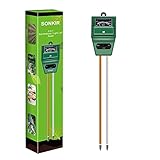
The top of a large pot can look dry while the root zone below is still wet, and a potted apple suffers from both too much water and too little. A probe pushed 15 to 20 cm down tells you which before you water.
Affiliate link — GrowersGuide.ca may earn a commission on qualifying purchases, at no extra cost to you. See our affiliate disclosure.
Feed through the growing season, because the mix in a pot runs out of nutrients. A balanced fertilizer in spring and early summer is enough; stop feeding by midsummer so the new growth has time to harden before winter. Thin the fruit to one or two per cluster when they are marble-sized, since a small tree cannot carry a full set.
Pruning and Repotting
Prune a potted apple lightly in late winter, the same way as a dwarf tree in the ground: remove dead and crossing wood and keep the shape open. Columnar trees need very little; shorten any side branches back to a few buds so the tree stays narrow. See how to prune an apple tree.
The RHS repots container apples every few years in spring. Slide the tree out, tease out and trim the circling outer roots, and replace as much old mix as you can, either back into the same pot or one size up. In the years between, scrape off the top 5 cm of mix each spring and replace it with fresh.
Frequently Asked Questions
Can you grow an apple tree in a pot in Canada?
Yes, if it is on a dwarf rootstock or a columnar type, the pot is at least 45 cm across, and the roots are protected in winter. A pot left exposed on a balcony gets much colder than the ground, so the winter plan matters more than the variety.
What size pot does an apple tree need?
The RHS recommends at least 45 cm in diameter. In Canada, 45 to 60 cm across and about as deep is better, because the larger volume holds water in summer and buffers the roots in winter.
What is the best rootstock for an apple tree in a pot?
A very dwarfing rootstock such as M27, M9 or M26, which the RHS recommends for containers. Check the plant label for the rootstock name; semi-dwarf and standard trees grow too large for a pot.
What is a columnar apple tree?
A tree that grows as a single upright stem with short fruiting spurs along it, staying under about 60 cm wide. It suits a narrow balcony or patio but still needs a second variety nearby for pollination.
How do I overwinter an apple tree in a pot?
Once it is dormant in late fall, move it to an unheated garage or shed, sink it in the garden up to the rim, or wrap the pot in burlap and straw against a wall. Do not bring it into a heated house; it needs a cold rest.
Do potted apple trees need a pollinator?
Usually yes. A potted apple needs pollen from a different variety flowering at the same time, within about 30 m. Two potted trees of different varieties, or a crabapple nearby, solve it.
How often should I water an apple tree in a pot?
Check daily in summer and water deeply whenever the top few centimetres of mix are dry. In hot, windy weather that can be every day. Never leave the pot standing in water.
How often do you repot an apple tree?
The RHS repots container apples every few years in spring, trimming the circling roots and replacing old mix. In between, replace the top 5 cm of mix each spring.
Sources
- Royal Horticultural Society, How to grow apples
- University of Minnesota Extension, Growing apples in the home garden